










The foreign and defence ministers of the Baltic states and Poland have gathered to discuss a joint response to conventional and hybrid threats as Russia and Belarus staged large-scale military exercises.
At a meeting in the Latvian capital, Riga, the four countries on September 13 called for EU and NATO unity against the Zapad-2021 military drills and what they say is Belarus’s weaponisation of irregular migrants along their borders.
Read more: The Belarusian Springboard – what Zapad drills with Russia mean for Baltics?
Poland, Latvia, and Lithuania have witnessed a major influx of migrants this summer from neighbouring Belarus that they and the EU say are orchestrated by strongman Alexander Lukashenko to exact revenge for sanctions and support for the opposition to his authoritarian rule. Most of the migrants are from the Middle East, particularly Iraq.
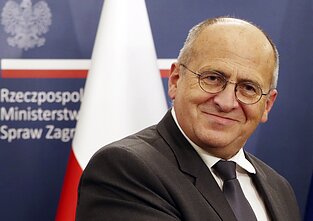
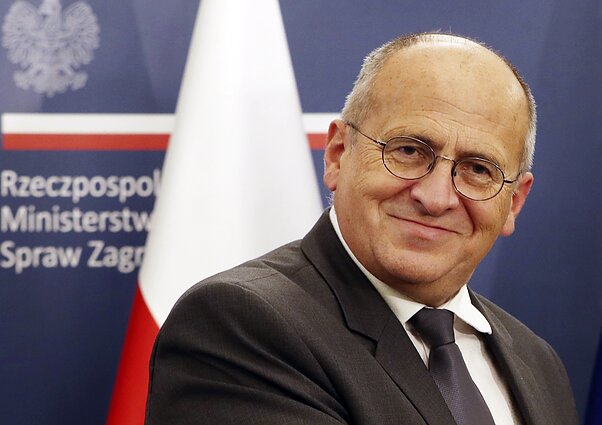
“What is worrisome is the fact that the Belarusian regime is not going to give up these tactics, so we are ready to face even more immigratory pressure. Nevertheless, we are aware that we are defending not only our national border but also the border of the European Union,” Polish Foreign Minister Zbigniev Rau said at the meeting, adding the countries expect support from the European Union.
Latvian Foreign Minister Edgars Rinkēvičs reiterated that Belarus was engaged in hybrid warfare using migrants.
“It is pretty obvious that this is not a conventional threat,” he said.
“Latvia, Lithuania, and Poland are handling the situation rather well,” and do not need help from NATO at the moment, he said.
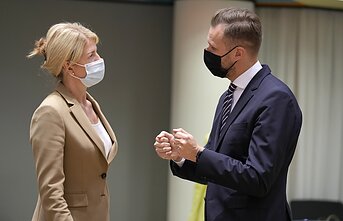
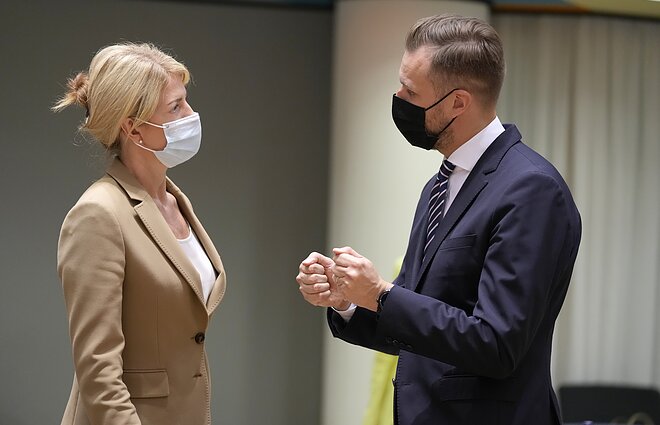
Estonia's Foreign Minister Eva-Maria Liimets said that although her country doesn’t border Belarus, it stood in solidarity over the migrant issue. She also referred to the Russian-Belarusian military drills Zapad, which are causing “serious security concerns in the region”.
“The Russian Federation has not been transparent about these exercises in the past,” she said.
Read more: Large-scale military drills on Baltic borders stoke anxieties in Vilnius and Warsaw
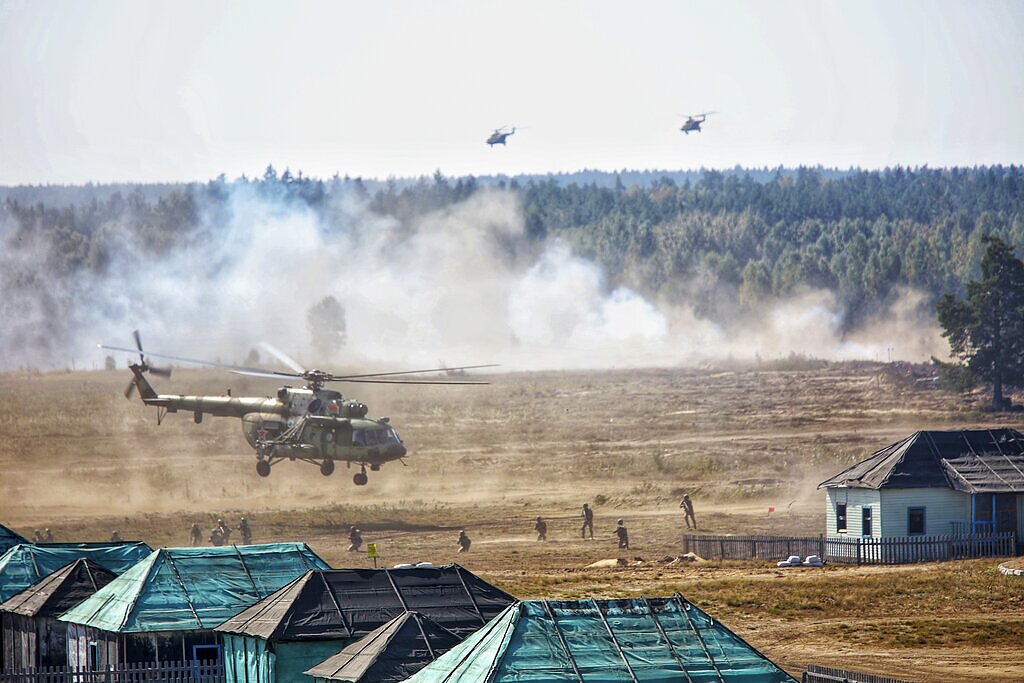
The massive live-fire military exercises run from September 9 until September 16, involving some 200,000 military personnel and other hardware at multiple sites in Russia and Belarus. NATO said it was watching the drills which have caused concern in neighbouring NATO members and Ukraine.
On September 13, Russian President Vladimir Putin oversaw the drills in the Nizhny Novgorod region east of Moscow.
Russia says the drills are not directed against any foreign country and has called them a necessary response to increased NATO activity near Russia’s borders and those of its allies.
“While each country has the right to conduct military exercises, limited transparency, wider context of the maneuvers, and the accompanying hybrid activities raise our concerns,” Polish Foreign Minister Rau said.
He also pointed to a Russian troop build-up near Ukraine earlier this year that raised concern in Kyiv and the West over Russia’s intentions.
This story originally appeared at Radio Free Europe/Raio Svaboda, partners of LRT English.

Newsletter
Every Friday morning.