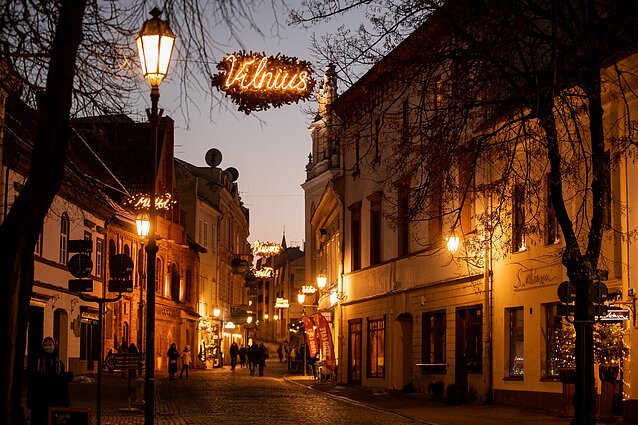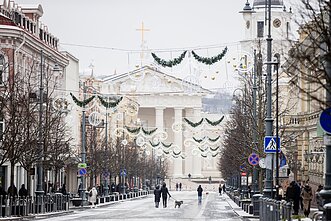














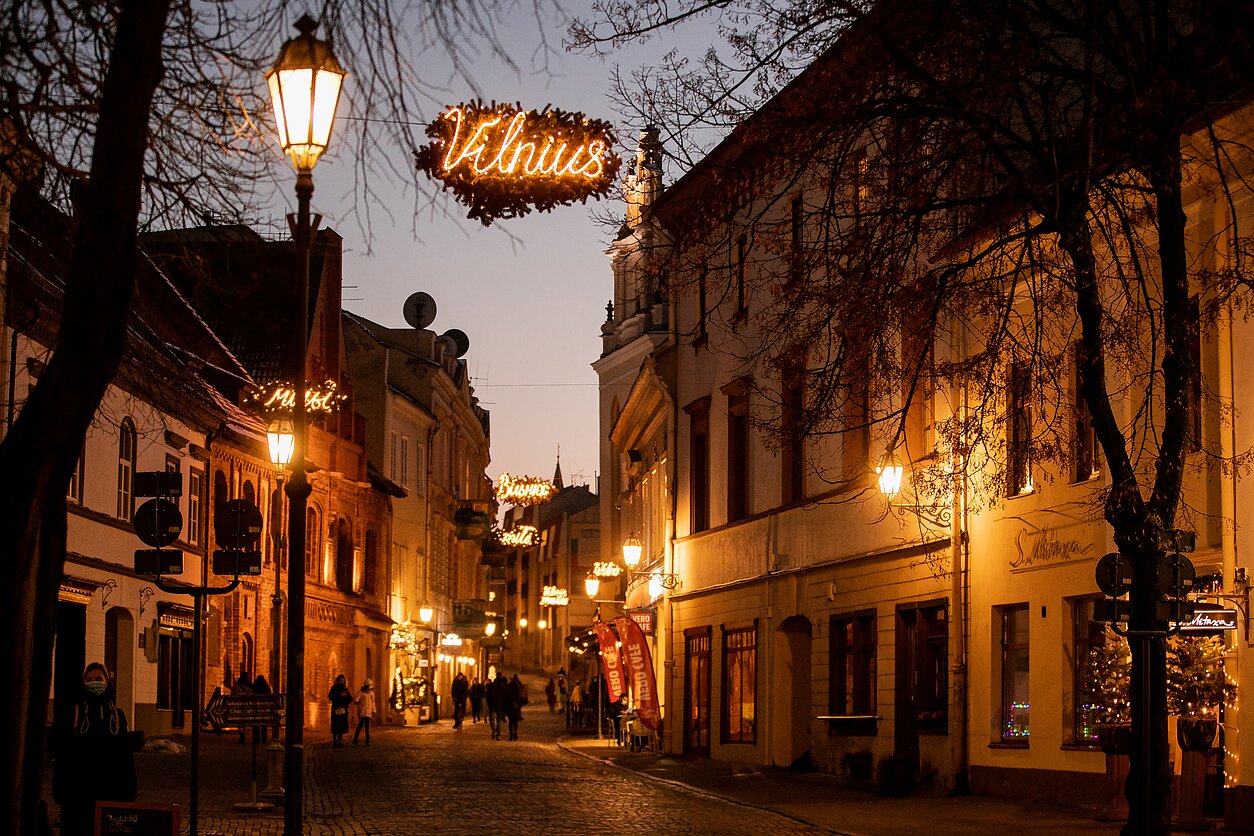
In November, Lonely Planet named Vilnius as one of the best cities in the world for expats. We asked readers of our weekly newsletter to have their say.
#Voices – a project by LRT English looking at important, controversial, or overlooked topics from the perspective of Lithuanian diaspora or expats in the country.
Ron Ringer
“There seems to be an underlying racism that is hard to ignore.”
Yes, charming, Baroque and curious Vilnius. What struck me then – and now – was the progress that had been made following independence.
Read more: Lonely Planet names Vilnius one of best cities for expats
There were many times that people asked us why on earth did we ever want to come and live there in the first place? Answer: because the country and its history is fascinating, and Vilnius with all its grandeur and brokenness (its decaying and neglected buildings, sidewalks, and roads) more than fascinating.
But there was a rather dark side to attitudes towards 'foreigners'.
More than a few glares and sideways glances on the buses that we used frequently to get around the city. Curiosity perhaps? Sometimes, yes, but the uncomfortable feeling of being scrutinised and often disapproving looks cast our way was always there.
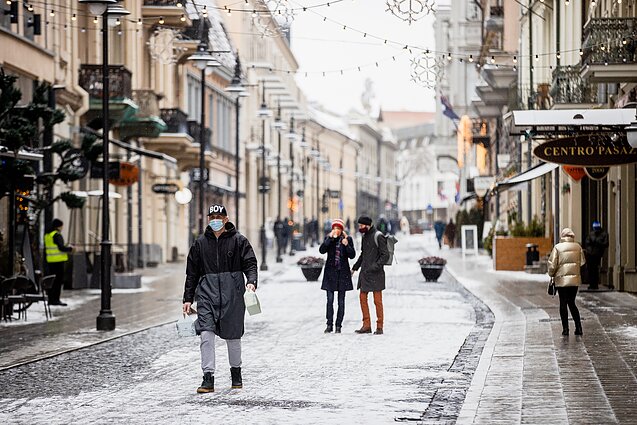
Having met and made friends with several 'black' people, it was disturbing to hear their stories of having to make themselves invisible in order to avoid apparent hostility.
The Holocaust – do we mean what the Soviets did to the Lithuanians, or are we talking about the mass murder of Lithuania's Jewish population by the Nazis, assisted by the local militia? I made the mistake of raising the question once or twice and never went there again; there was an almost universal avoidance and disapproval of the mention being made. Until the country comes to grips with this episode in its past, I doubt that much progress will be made in better understanding the dreadful dynamics of a bygone age.
One colleague described attitudes among many Lithuanians as being "post-Soviet", rather than "post post-Soviet", which may or may not be the case. Perhaps other readers might have ideas on this?
Martin Sadler
“Capital cities always get full attention.”
I'm sure Vilnius deserves to be cited as one of the top 10 cities for expats. As a British expat and permanent resident living in Klaipėda, I'd like to give a shout out for this city too.
It's often unfairly overshadowed by the capital and [...] I've found this to be the case too frequently [also in other countries]. Capital cities always get full attention, which is a shame.
Paulius Yamin
“Maybe the first step is to recognise there are challenges.”
I do believe that Vilnius is a great place to live and there are many good things and efforts by the local and national government for foreigners, but there are also big challenges.
These have to do a lot with the mentality of people and organisations. I have Lithuanian nationality because of my grandparents, but my wife and daughter do not. There have been challenges that we didn’t expect [and didn’t experience] when we were in the UK as expats from Colombia.
It’s very difficult to open a bank account or a phone contract if you're not a citizen, even if you have a residence permit. Finding a school if your child doesn’t speak Lithuanian is expensive or challenging. In the UK and France, for example, public schools have to accept foreigners even if they don’t speak English or French.
In Lithuania, your main options are either to pay for an expensive private school or Lietuvių Namai (Lithuanian House), in which they put your kid in a group with 10–16-year-olds to almost exclusively learn Lithuanian language for a whole year.
Not only this can be hard on small children that are now invited to smoke or are harassed by the older adolescents (as was our case), but although you want your children to learn Lithuanian, you don't want them to get behind in all other subjects for a whole year.
Although the teachers were kind and supportive when we tried to get her into a regular public school, the [administration] was awful. They tried to convince us that our daughter could not attend the school because we were "immigrants" and she would have a psychological trauma for trying to learn Lithuanian.
They implied we were "refugees" and asked if we were living here legally, made fun of us for not speaking Lithuanian, and when Vilnius City Municipality had to call them to remind them of the law in this topic, they finally accepted her.
These things do make a difference for us "expats" and "Llithuanian descendants" who are trying to make Lithuania their home.
I love Lithuania and I'm very proud of my roots and of having lived here for some time after my grandparents had to escape deportation during the Second World War, but it can certainly be a challenge.
But it's one worth fighting for. Maybe the first step is to recognise there are challenges.
Other #Voices installments:
– Belarusian activist: independence from Soviets 'never became a holiday'
– Lithuanians should care about US protests
– Brexit: Brits in Lithuania feel like ‘carpet is pulled under their feet’
– Expats in Lithuania faced with Kafkaesque shuffles in Migration Department corridors
– Iranian in Lithuania: ‘people are tired of this daily pressure’

Newsletter
Every Friday morning.